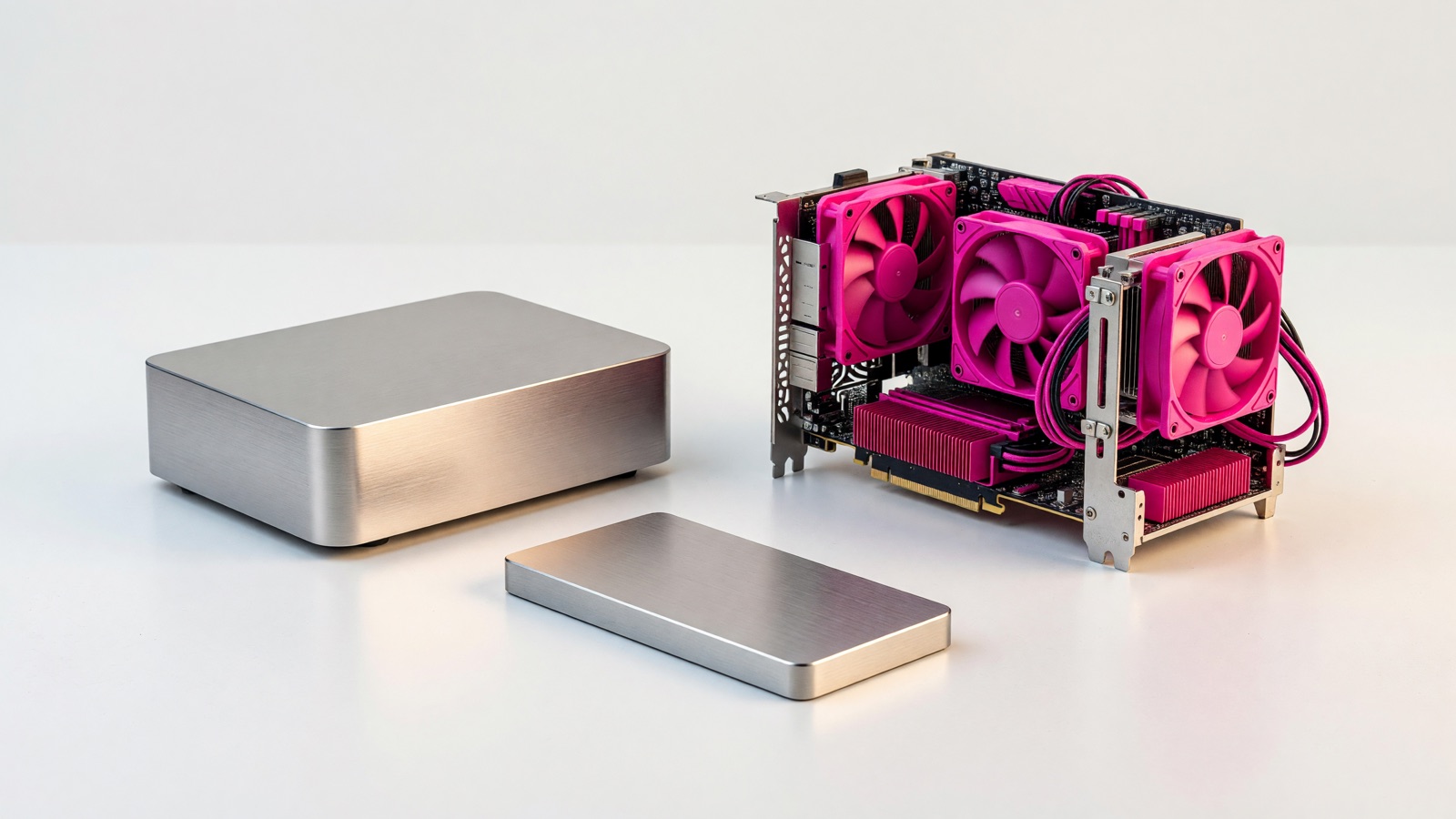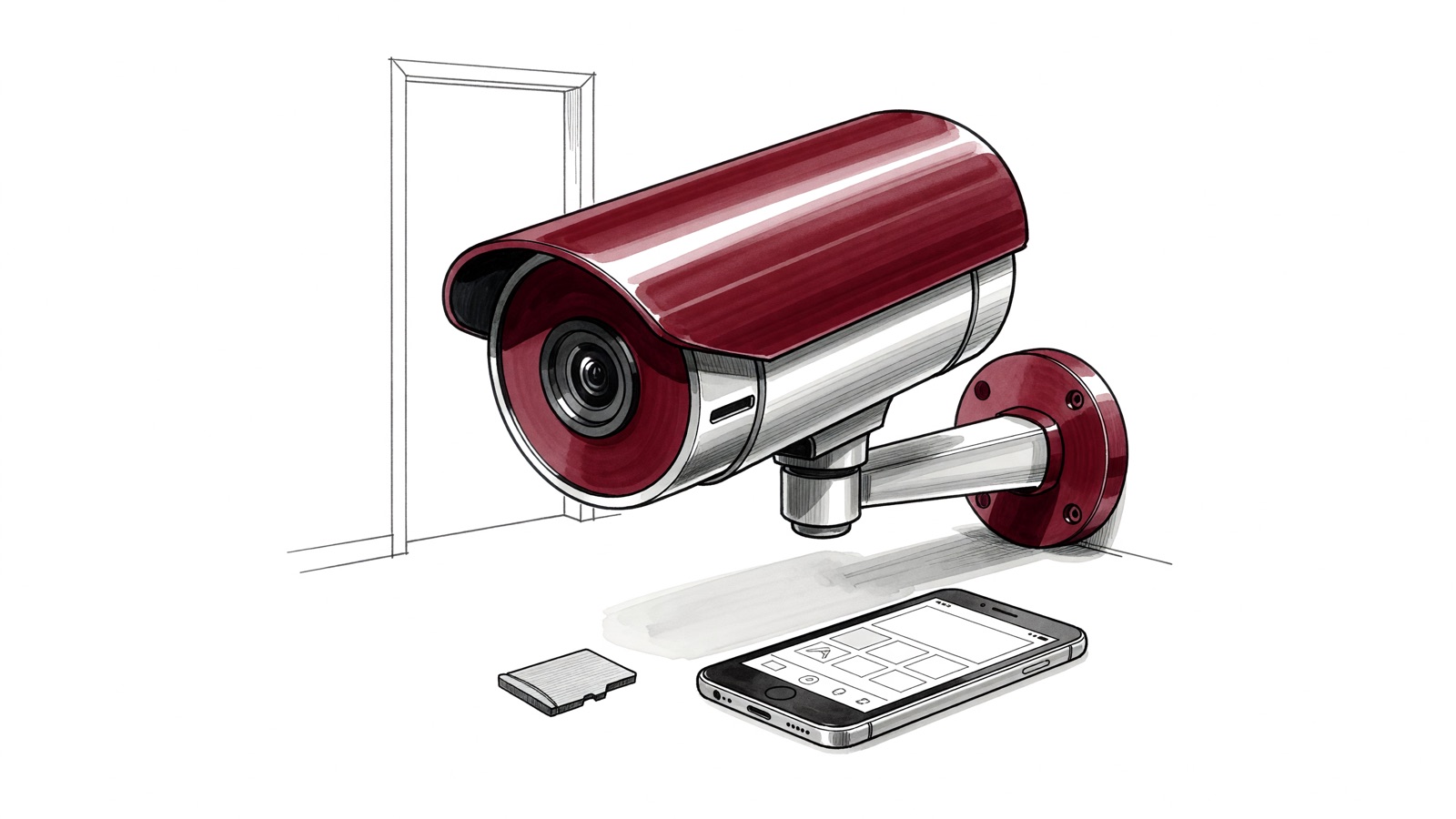
Smart devices are evolving into something far more advanced. By integrating cutting-edge tools and models, these devices are transforming into intelligent systems. This shift is revolutionizing how we interact with technology in our daily lives.
One of the leaders in this transformation is Google AI Studio. This platform provides free access to powerful tools and API keys, making it easier for developers to innovate. With these resources, creating smarter, more responsive devices has never been more achievable.
The integration of advanced models not only boosts performance but also enhances user experience. From predictive maintenance to personalized settings, the possibilities are endless. This marks a new era where technology works seamlessly to meet our needs.
Key Takeaways
- Smart devices are becoming intelligent through advanced tools and models.
- Google AI Studio offers free tools and API keys for developers.
- Access to innovative models improves device performance.
- Intelligent systems enhance user experience with personalized features.
- This evolution marks a new era in technology interaction.
Introduction to Intelligent IoT and AI Integration
The line between smart and intelligent devices is becoming clearer with advanced integration. While smart devices can perform predefined tasks, intelligent systems go a step further. They adapt, learn, and make decisions based on real-time data.
Integration enhances IoT systems by making them more dynamic. Instead of just collecting data, these systems analyze it to improve performance. This upgrade allows devices to respond to user needs more effectively.
One key player in this transformation is the assistant. These tools facilitate better interaction by understanding natural language. For example, voice-activated assistants can control home devices seamlessly. This makes technology more accessible and intuitive.
Interactive content also plays a crucial role. It shapes modern experiences by personalizing how users engage with devices. From tailored recommendations to predictive maintenance, the possibilities are vast.
Several products are leading this integration. Smart thermostats that learn your preferences and adjust automatically are a prime example. These innovations showcase the potential of intelligent IoT systems in everyday life.
The Evolution from Smart to Intelligent Devices
The journey from basic automation to intelligent decision-making has reshaped technology. Early innovations like the X10 protocol in the 1970s allowed remote control of home appliances. This marked the first datum point in the evolution of smart devices.
By the 1980s, devices like The Clapper introduced sound-activated automation. These were simple yet groundbreaking. The 1990s brought internet connectivity, enabling early smart home systems like security cameras and garage door openers.
The 2000s saw a significant leap with the introduction of the Nest thermostat. This case study highlights how devices began learning user preferences. Nest’s ability to adjust temperatures automatically set a new standard for intelligent systems.
Training models became crucial in enhancing device functionality. For example, voice assistants like Amazon Alexa rely on training to understand natural language. This improves the user experience by making interactions seamless and intuitive.
Technical specifications in writing have also evolved. Modern devices include detailed descriptions of their adaptive capabilities. These details ensure users understand how their devices learn and improve over time.
Today, intelligent systems go beyond automation. They analyze data, predict needs, and adapt in real-time. This evolution has transformed how we interact with technology, making it more personalized and efficient.
How the ai powered internet Transforms Smart Devices
The integration of advanced technologies is reshaping how smart devices operate. Real-time updates and dynamic interactions are now at the core of their functionality. This shift allows devices to respond instantly to user needs, making them more efficient and intuitive.
Targeted prompts play a crucial role in driving these interactions. For example, voice assistants use specific prompts to understand and execute commands. Dynamic text generation further enhances this process by creating personalized responses. This makes communication with devices feel natural and seamless.
Social media has become a powerful tool in spreading awareness about these advancements. Platforms like Twitter and Instagram showcase the latest innovations, making them accessible to a broader audience. This helps users stay informed about how technology can improve their daily lives.
Rapid responses and processing power are essential for these transformations. Devices that can analyze data in real time provide better performance and reliability. For instance, smart thermostats adjust temperatures instantly based on user preferences, ensuring comfort and energy efficiency.
Real-world examples highlight the impact of these changes. Los Angeles’ traffic management system uses real-time data to reduce travel time by 12%. Similarly, smart home ecosystems are now valued at $79.16 billion, showcasing their growing importance in modern life.
Understanding the Fusion of AI and IoT Platforms
Platforms like NotebookLM and Gemini are bridging the gap between software and hardware. This technical fusion is creating devices that are smarter, faster, and more responsive. By combining advanced software with IoT hardware, these platforms are unlocking new possibilities for intelligent systems.
Media integration is a key area where this fusion shines. Devices now use advanced capabilities to process and display content seamlessly. For example, smart TVs can recommend shows based on viewing habits, thanks to integrated media algorithms.
Behind these innovations lies the power of code. Programming languages and frameworks enable complex operations, from data analysis to real-time decision-making. Platforms like Gemini provide developers with the tools to write efficient and scalable code for IoT devices.
The operational use of these platforms is continually refined. Machine learning plays a crucial role in this process. By analyzing user data, devices can adapt and improve over time, offering a more personalized experience.
This evolution is not just about technology—it’s about enhancing everyday life. From smart homes to connected cities, the fusion of software and hardware is transforming how we interact with the world around us.
Exploring AI-Driven Automation in IoT Systems
Automation is redefining how IoT systems operate, making them smarter and more efficient. By leveraging advanced models, these systems can analyze data and make decisions in real-time. This shift enhances both performance and user experience.
One key aspect of this transformation is the use of credit systems. Many platforms offer free tools and API testing credits to developers. This allows them to experiment and innovate without financial barriers. For example, predictive maintenance systems use these tools to reduce downtime and save costs.
Facial recognition is another game-changer. Integrated into devices, it boosts both usability and security. Smart locks and security cameras use this technology to recognize authorized users. This ensures only trusted individuals gain access, enhancing safety.
Diverse applications are leveraging automation to improve device performance. In healthcare, wearable devices monitor patient vitals and alert doctors in emergencies. In retail, inventory management systems predict stock needs, reducing waste and ensuring product availability.
Businesses are also benefiting from streamlined system usage. Automation simplifies complex processes, improving efficiency. For instance, manufacturers use IoT systems for real-time monitoring and quality control. This reduces errors and increases productivity.
By integrating automation, IoT systems are transforming industries. From healthcare to retail, the possibilities are endless. This evolution is not just about technology—it’s about making life easier and more efficient.
Leveraging Data, Insight, and Analytics for Business Growth

Data-driven insights are reshaping how businesses approach growth in the IoT era. By analyzing large datasets, companies can uncover patterns and trends that drive smarter decisions. This approach not only boosts efficiency but also enhances customer satisfaction.
Robust systems play a key role in gathering and processing data. These systems handle vast amounts of information in real-time, providing actionable insights. This way, businesses can respond quickly to market changes and stay ahead of competitors.
IoT services are transforming customer interaction in meaningful ways. For example, smart home devices collect user data to offer personalized experiences. Retailers use IoT to track inventory and predict demand, ensuring products are always available.
Every thing, from sensor data to user feedback, contributes to system analytics. This comprehensive approach ensures businesses have a complete picture of their operations. It also helps identify areas for improvement and innovation.
The practical benefits of these insights are clear. Companies using data-driven strategies report up to a 30% increase in operational efficiency. Additionally, customer retention rates improve by 5-6%, showcasing the value of leveraging analytics for growth.
By integrating data, insight, and analytics, businesses can unlock new opportunities. This approach not only drives growth but also builds a foundation for long-term success in the IoT-driven world.
Building Secure and Scalable AI IoT Ecosystems
Creating secure and scalable ecosystems for intelligent devices requires a blend of innovation and robust strategies. As the number of connected devices grows, ensuring their safety and efficiency becomes critical. Ongoing research plays a vital role in identifying vulnerabilities and developing solutions to address them.
Continuous insight into emerging threats helps reinforce system security. For example, AI-driven cybersecurity can improve threat detection rates by up to 95%. This proactive approach reduces response times and minimizes risks, ensuring devices remain reliable and safe for users.
Customer-focused innovations are driving improvements in scalable software solutions. Platforms like Google Cloud offer secure and flexible services, enabling businesses to expand their IoT networks without compromising safety. These solutions are designed to meet the unique needs of each customer, ensuring seamless integration and performance.
Established platforms use advanced software and cloud security protocols to protect data. Automated patch management systems, for instance, reduce vulnerability exposure by up to 80%. This ensures that devices remain secure even as new threats emerge.
Case examples highlight the success of scalable ecosystems. For instance, smart cities use IoT networks to optimize energy consumption, reducing usage by up to 25%. These deployments showcase the potential of combining security and scalability to create smarter, more efficient systems.
By prioritizing ongoing research and insight, businesses can build ecosystems that are both secure and scalable. This approach not only enhances device performance but also ensures a safer, more connected future for all customers.
Integration of AI Tools with IoT Networks
Integrating advanced tools into IoT networks is transforming how devices communicate and operate. This process involves combining software and hardware to create systems that are smarter and more efficient. A well-planned set of tools ensures seamless data flow and real-time decision-making.
Collaboration between person-driven insights and automated systems is essential. Human expertise helps define goals, while automation handles repetitive tasks. This balance ensures that IoT networks are both flexible and reliable.
A recent report highlights successful integrations in leading companies. For example, a manufacturing firm reduced downtime by 50% using predictive maintenance tools. Another company in healthcare improved patient monitoring by integrating advanced analytics into their IoT systems.
Detailed planning is crucial for maximizing efficiency. Here’s a breakdown of key steps in the integration process:
| Step | Description |
|---|---|
| 1. Define Goals | Identify specific objectives for the IoT network. |
| 2. Select Tools | Choose tools that align with the network’s needs. |
| 3. Test Integration | Ensure compatibility and performance before full deployment. |
| 4. Monitor & Optimize | Continuously improve the system based on data insights. |
Companies like Google AI Studio offer free tools to simplify this process. These resources make it easier for businesses to experiment and innovate. By adopting these technologies, organizations can streamline operations and stay competitive.
In conclusion, integrating tools into IoT networks requires a strategic approach. With the right set of tools and collaboration between person-driven insights and automation, businesses can unlock new levels of efficiency and innovation.
Driving Innovation with AI-Powered Internet in Consumer Products
Consumer products are undergoing a transformation, driven by advanced technologies that enhance functionality and user experience. These innovations are not just about adding features but improving overall performance and usability.
One standout use case is Amazon Echo. This device has redefined how consumers interact with technology at home. Its ability to understand natural language and perform tasks seamlessly showcases the potential of intelligent systems.
Looking to the future, trends like personalized shopping agents are gaining traction. These tools allow users to describe their needs, and the system recommends products tailored to their preferences. This level of customization enhances consumer engagement and satisfaction.
Improved page design also plays a crucial role. Retailers using platforms like Microsoft Copilot Studio have seen higher conversion rates. The integration of dynamic content and real-time insights ensures that users find what they need quickly and efficiently.
Here’s a breakdown of key trends shaping AI-powered consumer products:
| Trend | Impact |
|---|---|
| Personalized Shopping | Enhances user experience with tailored recommendations. |
| Voice-Activated Assistants | Simplifies interactions and improves accessibility. |
| Real-Time Insights | Boosts performance by providing actionable data. |
| Dynamic Page Design | Increases engagement and conversion rates. |
These innovations are not just about technology—they’re about creating products that truly meet consumer needs. For more insights on how AI-driven innovation is transforming industries, explore our detailed analysis.
In conclusion, the integration of advanced technologies is reshaping consumer products. From voice assistants to personalized shopping, these advancements are setting the stage for a smarter, more intuitive future.
Training and Engaging the AI: From Data to Insights
The process of training intelligent systems involves transforming raw data into actionable insights. This is achieved through advanced methods that allow these systems to process and analyze vast amounts of information. Platforms like NotebookLM and Gemini are prime examples of how modern agents facilitate this transformation.
One key method is the use of detailed training data. This data helps refine the model by providing it with diverse scenarios to learn from. For instance, image recognition systems rely on extensive datasets to identify and categorize objects accurately. This enhances their ability to provide meaningful insights.
The role of agents in maintaining and evolving these systems is crucial. They ensure that the model continues to improve through iterative updates and rigorous testing. This ongoing process keeps the system adaptable and responsive to new challenges.
Image recognition and processing play a significant role in refining insights. By analyzing visual data, systems can detect patterns and anomalies that might be missed otherwise. This capability is particularly useful in industries like healthcare and retail, where visual data is abundant.
Here are some benefits of using detailed training data:
- Improved accuracy in decision-making.
- Enhanced ability to adapt to new scenarios.
- Better performance in real-time applications.
- Increased reliability and trust in the system.
The evolution of models is a continuous process. Through testing and updates, they become more efficient and effective. This ensures that intelligent systems remain at the forefront of innovation, providing users with the best possible experience.
In conclusion, training and engaging intelligent systems is a complex but rewarding process. By leveraging detailed data and advanced methods, we can unlock their full potential and drive meaningful insights across various industries.
The Role of Social Media and Content in Intelligent Device Marketing
Social media has become a cornerstone in marketing intelligent devices. Platforms like Instagram, Twitter, and Facebook allow brands to showcase their products to a global audience. Engaging content plays a vital role in capturing attention and driving consumer interest.
High-quality writing is essential for creating compelling posts and advertisements. Clear, concise messages help users understand the benefits of intelligent devices. This not only boosts brand awareness but also enhances customer service by addressing user queries effectively.
AI-generated content is transforming how brands communicate. Tools like ChatGPT and Claude can create personalized messages tailored to individual preferences. This approach ensures that marketing efforts resonate with the target audience, increasing engagement and conversions.
Effective strategies often include:
- Using data-driven insights to craft targeted campaigns.
- Leveraging AI tools for dynamic content creation.
- Monitoring brand mentions and sentiment in real-time.
For example, a smart home device company might use AI to analyze customer feedback and create tailored ads. This not only improves marketing efficiency but also strengthens customer service by addressing specific needs.
In conclusion, social media and content are indispensable in marketing intelligent devices. By combining high-quality writing with AI-driven tools, brands can create impactful campaigns that enhance user experience and drive growth.
Real-World Use Cases of AI in Smart Device Deployment
AI-driven smart devices are transforming industries with real-world applications. From healthcare to retail, these technologies are making a tangible impact. Let’s explore some compelling examples.
One standout application is in healthcare. Wearable devices like smartwatches use AI to monitor vital signs in real-time. This allows for early detection of health issues, improving patient outcomes. Research shows that such devices can reduce hospital readmissions by up to 30%.
In retail, AI-powered systems are enhancing customer experiences. For instance, chatbots like ChatGPT use targeted prompts to provide personalized shopping assistance. This not only boosts sales but also improves customer satisfaction.
Another example is in smart homes. Devices like thermostats and security cameras use tailored code to learn user preferences. This results in energy savings and enhanced security. Insight from user feedback helps refine these systems continuously.
Industrial IoT systems also benefit from AI. Predictive maintenance tools analyze data to prevent equipment failures. This reduces downtime and saves costs. Companies using these tools report up to a 50% improvement in operational efficiency.
These real-world use cases demonstrate the power of AI in smart device deployment. For more insight into how AI and IoT are reshaping industries, explore our detailed analysis here.
Innovative Platforms and Future Trends in AI IoT Integration
The future of IoT is being shaped by cutting-edge platforms and emerging trends. These innovations are transforming how devices are used in everyday life, offering smarter and more efficient solutions. From healthcare to manufacturing, the impact is profound.
Emerging technologies like edge computing and 5G are redefining the role of IoT devices. These advancements enable real-time data processing and improved connectivity. For businesses, this means better decision-making and enhanced operational efficiency.
Early deployment experiences are paving the way for new opportunities. Companies that adopt these technologies early gain a competitive edge. They can refine their use of IoT systems to meet specific needs, creating tailored solutions that drive growth.
Forward-thinking platforms like Google Cloud and Microsoft Azure are pushing the boundaries of integration. These tools provide scalable and secure environments for IoT development. They also offer advanced analytics, helping businesses unlock valuable insights from their data.
Improved use of these technologies enhances overall device functionality. For example, predictive maintenance tools reduce downtime and save costs. In retail, personalized shopping experiences boost customer satisfaction and loyalty.
The integration of IoT and advanced technologies is creating a smarter, more connected future. Businesses that embrace these innovations will thrive in this evolving landscape. By leveraging the right platforms, they can unlock new levels of efficiency and market potential.
Leveraging Google AI Studio and Free AI Tools
Google AI Studio offers a gateway to innovation with its free tools and resources. This platform provides developers with the access they need to experiment and create without financial barriers. From advanced text generation to translation, the possibilities are endless.
One of the standout features is the free tier, which includes lower rate limits for testing purposes. Developers can obtain API keys and test various Gemini models to drive creativity. This encourages early experimentation and fosters innovation.
The role of credit systems is crucial in this process. New Google Cloud customers receive $300 in free credits, allowing them to explore AI products without upfront costs. This approach makes it easier for businesses to adopt and integrate these tools into their workflows.
For example, Vertex AI offers access to over 40 proprietary models and 80 open-source options. Developers can adapt these models to their specific use cases with prompt design and tuning options. This flexibility accelerates project development and enhances efficiency.
Practical applications of these tools are already making waves. From personalized shopping assistants to predictive maintenance systems, the impact is tangible. These innovations not only improve user experience but also drive business growth.
In conclusion, Google AI Studio and its free tools are empowering developers to push the boundaries of what’s possible. By providing easy access to advanced features and encouraging experimentation, this platform is shaping the future of technology.
Navigating Potential Risks and Ethical Considerations in AI IoT

As intelligent systems become more integrated into daily life, understanding their risks and ethical implications is crucial. While these technologies offer immense benefits, they also bring challenges that need careful attention.
One major risk is the vulnerability of systems to prompt injection attacks. These attacks exploit weaknesses in training data, leading to unintended behaviors. For example, a chatbot trained on biased data might generate harmful or misleading responses.
Research shows that insecure systems can lead to data poisoning, where malicious inputs corrupt the system’s functionality. This not only compromises performance but also raises ethical concerns about user safety and trust.
Another issue is algorithmic bias. Systems trained on skewed datasets may produce unfair outcomes. A case in point is healthcare algorithms that perform poorly for underrepresented groups, leading to disparities in diagnosis and treatment.
Gaining insight into these risks encourages the development of robust countermeasures. Regular audits and updates can help identify and mitigate vulnerabilities, ensuring systems remain secure and fair.
Ethical standards are essential in this pursuit. Developers must prioritize transparency and accountability. By doing so, they can build trust and ensure that intelligent systems benefit everyone equally.
In conclusion, addressing risks and ethical considerations is vital for the responsible integration of intelligent systems. Through continuous research and a commitment to fairness, we can create technologies that are both innovative and ethical.
Final Thoughts on the Future of Intelligent IoT Ecosystems
The evolution of intelligent IoT ecosystems has reshaped how we interact with technology. From everyday life to business operations, these systems have become indispensable. The integration of agents and advanced models continues to drive innovation, making devices smarter and more responsive.
Recent reports highlight significant improvements in performance across various industries. For example, predictive maintenance tools have reduced downtime by up to 50%, showcasing the tangible benefits of these technologies. Companies leveraging these advancements are seeing enhanced efficiency and customer satisfaction.
High-quality service and user-centric content are crucial for maintaining growth. By focusing on the needs of the person, businesses can create more engaging and effective solutions. This approach ensures that intelligent ecosystems remain relevant and impactful.
Looking to the future, ongoing innovation will continue to shape these ecosystems. Emerging trends like edge computing and 5G promise even greater connectivity and efficiency. The potential for growth is immense, and the journey is just beginning.
In conclusion, intelligent IoT ecosystems are transforming our world. By embracing these technologies, we can unlock new possibilities and create a smarter, more connected future.