Modern vehicles are equipped with cutting-edge technology designed to enhance safety and convenience. One of the most significant advancements is the integration of systems that ensure the person behind the wheel remains attentive. These features are not just about convenience; they are a commitment to safety.
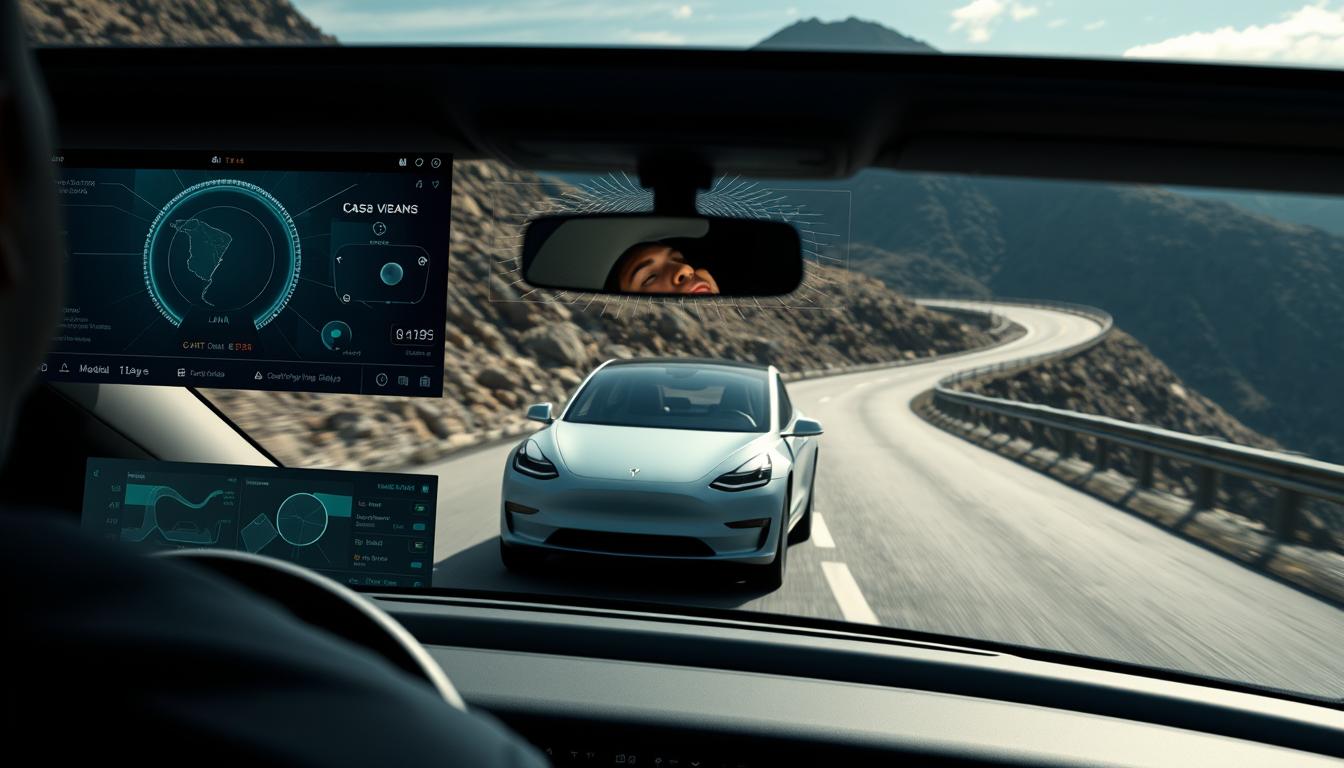
Using a combination of sensors and cameras, these systems monitor the driver’s actions. For example, a camera inside the cabin can detect if attention is diverted from the road. This technology is part of a broader effort to reduce risks and improve overall driving experiences.
Elon Musk, a pioneer in automotive innovation, has emphasized the importance of such advancements. By integrating these features into vehicles, companies aim to build trust and set new standards in the industry. These updates reflect a dedication to making roads safer for everyone.
Key Takeaways
- Advanced systems in vehicles ensure drivers stay focused on the road.
- Cameras and sensors play a key role in monitoring attention.
- These features are designed to enhance safety and reduce risks.
- Innovators like Elon Musk are driving these technological advancements.
- Modern cars are setting new standards for safety and convenience.
Overview of Tesla’s Safety Innovations
From steering wheel alerts to vision-based systems, safety is evolving rapidly. The company has introduced cutting-edge features designed to reduce risks and enhance the driving experience. These innovations are not just about convenience; they reflect a deep commitment to protecting everyone on the road.
Recent updates highlight the importance of staying attentive while driving. For example, the steering wheel now includes alerts that gently remind users to keep their hands on the wheel. This feature, combined with advanced camera systems, ensures that the person behind the wheel remains focused.
According to remarks from engineers, these changes are part of a broader effort to improve safety across all models. Each vehicle is equipped with tools that monitor and respond to potential distractions. This proactive approach sets a new standard in the automotive industry.
These advancements are not limited to one model but are integrated across the entire lineup. Whether it’s a compact car or a larger SUV, the company ensures that every driver benefits from these innovations. This consistency underscores their dedication to making roads safer for everyone.
Evolution of Driver Monitoring Technologies in Tesla

The journey of vehicle safety has seen remarkable advancements over the years. Early systems relied on simple methods like steering torque detection to ensure drivers remained engaged. These basic tools were effective but limited in scope.
Over time, engineering breakthroughs led to more sophisticated solutions. The introduction of cabin cameras marked a significant change. These cameras continuously observe the person behind the wheel, ensuring attention stays on the road.
Key milestones include the integration of vision-based systems and the removal of radar sensors. These updates reflect a commitment to innovation and safety. Feedback from users and regulatory bodies has also shaped these advancements.
Today, continuous monitoring is seamlessly integrated into everyday driving. This approach reduces risks and enhances overall safety. Below is a summary of the key developments:
| Year | Milestone | Impact |
|---|---|---|
| 2015 | Steering torque detection introduced | Basic driver engagement monitoring |
| 2020 | Cabin cameras implemented | Continuous observation of driver attention |
| 2022 | Transition to Tesla Vision | Enhanced accuracy and reduced reliance on sensors |
These engineering improvements demonstrate a proactive approach to safety. By adapting to feedback and regulatory demands, the system continues to evolve. This evolution ensures that drivers remain focused, making roads safer for everyone.
tesla autopilot driver monitoring: The Core of Tesla’s Updated Safety Features
Innovative safety features are reshaping how modern cars interact with their users. At the heart of these advancements is the driver monitoring system, which ensures that the person behind the wheel remains attentive. This feature is a cornerstone of Tesla’s updated safety measures, combining cutting-edge technology with a focus on responsibility.
The integration of full self-driving capabilities with this system marks a significant leap forward. When using autopilot, the car relies on both the cabin camera and a revamped strike system to monitor attention. This dual approach replaces older methods, such as steering wheel nags, with a more comprehensive solution.
This system works seamlessly with the car’s other features, creating a cohesive safety net. For example, the cabin camera continuously observes the driver, while the steering wheel sensors provide additional feedback. Together, they ensure that the Tesla vehicle remains safe even in autopilot mode.
Understanding the importance of responsible usage is key. While the feature enhances convenience, it’s designed to complement, not replace, human attention. This balance is crucial for maximizing safety on the road.
For more insights into how Tesla’s Autopilot and Full Self-Driving systems work together, visit this detailed guide.
Vision-Based Attention Monitoring: How It Works

Vision-based systems are transforming how vehicles ensure safety by focusing on the person behind the wheel. These systems rely on advanced technology to keep attention where it matters most—on the road.
At the core of this innovation is the cabin camera. This cabin-facing camera continuously observes the driver’s eyes and posture. It ensures that the person remains alert and focused during the journey.
The system uses precise image processing to detect signs of distraction. If the camera identifies inattentiveness, it triggers alerts to remind the driver to stay engaged. This process is seamless and happens in real-time.
For the system to work effectively, certain conditions must be met. The driver’s eyes must be visible, and the cabin must have sufficient lighting. Obstructions like sunglasses or hats can limit the camera’s ability to monitor attention accurately.
Visual cues are converted into actionable data within the vehicle. This data helps the system determine when to issue warnings or escalate to more serious alerts. It’s a point of balance between convenience and safety.
By leveraging vision-based technology, these systems set a new standard for road safety. They ensure that the person behind the wheel remains attentive, reducing risks and enhancing the overall driving experience.
Driver Drowsiness Warning: Enhancing Road Safety
Ensuring safety on the road has become a top priority with the introduction of advanced fatigue detection systems. One such innovation is the Driver Drowsiness Warning feature, designed to keep drivers alert and prevent potential accidents.
This system uses an internal camera to monitor signs of fatigue, such as frequent yawning or blinking. It activates after at least 10 minutes of driving at speeds over 40 mph. If drowsiness is detected, it issues both visual and audible warnings to prompt the driver to take a break.
The system tracks fatigue indicators over a week, accumulating strikes if warnings are ignored. However, it doesn’t restrict driving abruptly, allowing the owner to decide when to stop. This balance ensures safety without compromising convenience.
Here’s how the system works in detail:
| Feature | Description |
|---|---|
| Activation | After 10 minutes of driving at speeds over 40 mph |
| Monitoring | Tracks yawning, blinking, and driving patterns |
| Alerts | Visual and audible warnings |
| Strikes | Accumulated over a week if warnings are ignored |
This feature is particularly useful in preventing crashes caused by fatigue. For example, it can alert drivers during long trips or late-night drives, improving response times and reducing risks. By integrating such technology, vehicles are setting new standards for road safety.
For owners, this system offers peace of mind, knowing their vehicle is actively working to keep them safe. It’s a step forward in making every journey safer and more enjoyable.
Integration with Full Self-Driving Software Updates
Software updates are playing a pivotal role in enhancing vehicle safety and functionality. The latest advancements integrate advanced monitoring systems with full self-driving capabilities, creating a seamless and intuitive driving experience. These updates ensure that the person behind the wheel remains engaged while the vehicle handles complex tasks.
One of the key improvements is the enhanced monitoring system. It uses a combination of cabin cameras and sensors to track attention in real time. This integration ensures that the vehicle can respond quickly to any signs of distraction, making the control system more reliable than ever.
The rollout process for these updates is carefully managed. Early employee tests provide valuable feedback, which is used to refine the system before wider releases. This approach ensures that every update meets high standards of safety and performance.
Technical details from recent posts highlight the company’s commitment to continuous improvement. For example, the latest software version includes optimized data transfer pipelines and faster reaction times. These enhancements make the full self-driving experience smoother and more efficient.
By integrating advanced monitoring with cutting-edge software, these updates set a new standard for vehicle safety. They ensure that drivers remain attentive while enjoying the convenience of modern technology.
Regulatory and Public Responses to Tesla’s Monitoring Features
The introduction of advanced monitoring systems has sparked a wide range of reactions from both regulators and the public. These responses highlight the growing importance of safety technologies in today’s market.
On one side, regulatory bodies like the NHTSA have scrutinized these systems closely. Investigations into software updates and crash incidents aim to ensure compliance with safety standards. This ongoing scrutiny reflects the high stakes involved in integrating such technologies.
Public reactions have been equally varied. While many appreciate the added safety, others have raised concerns. For example, incidents of vandalism and protests have been reported, reflecting mixed feelings about these innovations. These events also influence insurance rates, adding another layer to the discussion.
Industry experts have weighed in with valuable datum. Some praise the engineering precision of these systems, while others highlight potential risks. This balanced perspective helps shape the conversation around their implementation.
In the market, these systems are setting new benchmarks. Companies are striving to meet a growing number of safety and regulatory standards. This push for excellence ensures that these technologies continue to evolve.
Overall, the responses to advanced monitoring systems reveal a complex landscape. Balancing innovation with safety remains a key challenge for the industry.
Looking Ahead: What Tesla’s Driver Monitoring System Means for Driver Safety
The future of vehicle safety is being shaped by advanced technologies designed to keep roads safer. Engineers are continuously working on improvements to safety features, ensuring they adapt to real-world challenges. Upcoming releases promise even more refined systems that reduce risks and enhance protection.
One key focus is the integration of these technologies across a growing number of models. This expansion ensures that more drivers benefit from these innovations. Insights from engineers suggest that future updates will focus on real-time responsiveness and accuracy.
These advancements are not just about technology; they’re about setting new standards. By prioritizing safety, these systems aim to minimize crash risks and improve overall driving experiences. The automotive market is evolving, and these innovations are leading the way.
For more details on how these systems are being refined, visit this analysis. The road ahead looks promising, with safety at the forefront of every innovation.